Los comandos básicos de LOGO para controlar la tortuga incluyen movimiento (forward/ad), giros (right/de), control del lápiz (pendown/pd) y gestión de pantalla (clearscreen/bp). Los comandos son los mismos en funcionamiento, abreviándose comúnmente para agilizar la programación gráfica, tanto en inglés como en español.
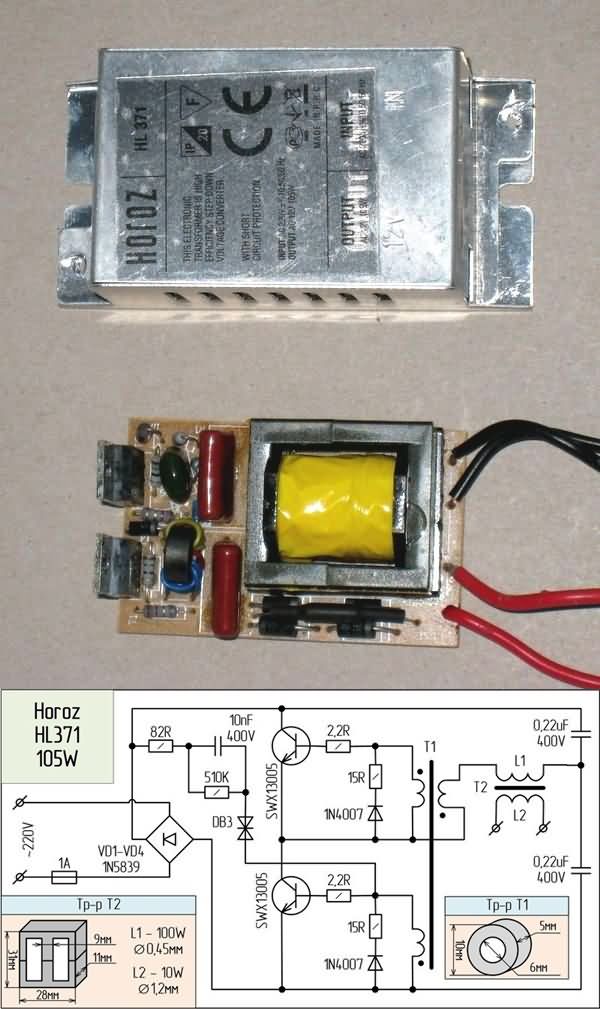
Using an electronic halogen transformer (110V AC to 12V AC) for a 12V DC fan requires converting the output to DC, as these transformers typically output high-frequency AC, which can damage DC fans. You must add a bridge rectifier to the 12V output to convert AC to DC, ensuring the fan operates safely between 20-50W.
Steps for Usage:
Components Needed: 110V-12V Electronic Transformer, 12V DC fan, Bridge Rectifier (e.g., 4A or higher), soldering iron/wire connectors.
Input (Primary): Connect the 110V AC mains to the input side of the transformer (usually labeled L/N or Input).
Output (Secondary): Connect the output side of the transformer (usually gray/white wires) to the ~ inputs of the bridge rectifier.
Convert to DC: Connect the positive (+) and negative (-) outputs of the bridge rectifier to the 12V fan’s positive and negative wires respectively.
Load Requirement: Electronic transformers often require a minimum load (e.g., 20W) to operate, so ensure your fan or a parallel-connected lamp pulls enough wattage.
Caution: Keep total power consumption below the transformer's maximum rating (e.g., max 40W for a 50W transformer) to avoid overheating
La potencia de un ventilador de radiador (electroventilador) de carro suele oscilar entre 50W y 120W, funcionando con sistemas de 12 voltios y consumiendo una corriente de entre 6 y 11 amperios. Estos motores de alto rendimiento, que alcanzan entre 2,500 y 7,000 RPM, están diseñados para mover un alto caudal de aire (CFM) para enfriar el motor.
Detalles clave sobre los ventiladores de radiador:
Voltaje: Operan típicamente a 12 voltios.
Consumo eléctrico: Los ventiladores estándar rondan los 50-60W, mientras que ventiladores de alto rendimiento o más grandes pueden llegar a 80W o más.
Amperaje: Generalmente consumen entre 6 y 11 amperios.
Velocidad: Los motores giran a altas RPM (hasta 7,000) para mover el líquido refrigerante de manera eficiente.
Funcionamiento: Se activan automáticamente, a menudo con dos velocidades (serie/paralelo), cuando la temperatura supera los 90-100°C o al encender el aire acondicionado.
Un ventilador que no funciona correctamente puede provocar sobrecalentamiento, por lo que es vital revisar su consumo y velocidad si el motor se calienta, especialmente a bajas velocidades o en paradas.
Electronic halogen transformers (110V to 12V, 20-50W) require a minimum load—typically a halogen bulb—to function and produce a measurable output. Without a load, a multimeter will show 0V or fluctuating, inaccurate low voltage. These high-frequency devices are designed for halogen bulbs and often fail to work with LEDs unless specifically designed for both, due to the low-load requirement
Key Testing and Usage Details:
Load Requirement: You must connect a 12V halogen bulb of at least 20W to the output for the transformer to activate.
Why No Load Readings Fail: These transformers are electronic, not magnetic. Without a load, the inverter circuit does not start up.
Measurement Tip: Measure the 12V output using a multimeter set to AC Voltage while the bulb is connected and lit.
Wiring: Red wires are usually the 110V AC input; white/grey wires are the 12V AC output.
Safety Warning: Never touch the 12V output wires while the transformer is connected to 110V power. Ensure the total wattage of the bulbs matches the 20-50W range to avoid damage, such as flickering or instant shutdown due to over-temperature protection.